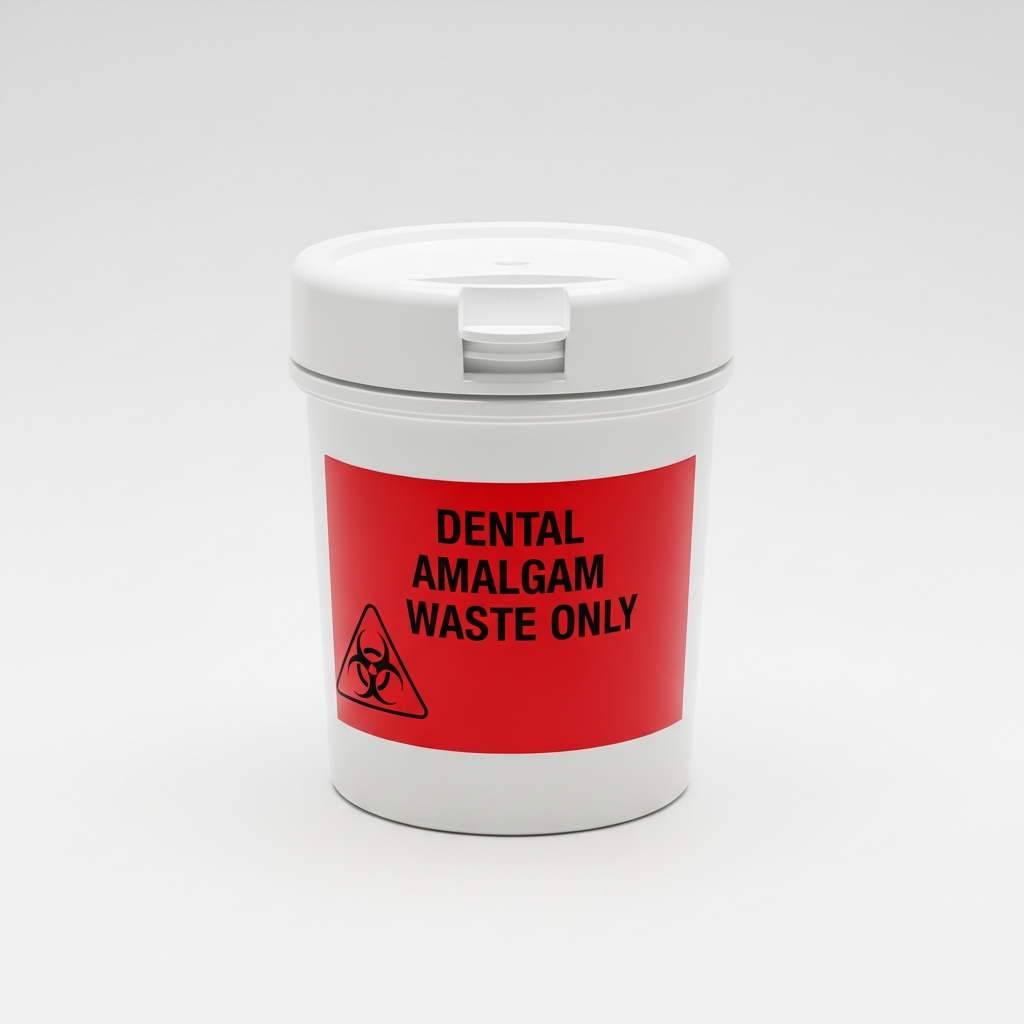
Mercury Waste Disposal
Licensed Collection, Retorting & Recycling
Licensed mercury universal waste and RCRA hazardous waste collection for dental offices, hospitals, laboratories, and healthcare facilities in South Florida. EPA Dental Amalgam Rule compliant — covering amalgam waste, sphygmomanometers, elemental mercury, and mercury-containing instruments.
Mercury Waste Types We Handle
Mercury waste comes in multiple forms — each with specific regulatory classifications and disposal requirements. Exodus manages all of them under one licensed program.
Elemental Mercury & Instruments
Elemental mercury from broken thermometers, manometers, and laboratory instruments must be collected in sealed containers and disposed of through licensed mercury retorting — not discarded in trash or poured down drains.
- Mercury thermometers & barometers
- Manometers & U-tube gauges
- Mercury switches & relays
- Spilled or loose elemental mercury
Mercury-Containing Medical Equipment
Sphygmomanometers, esophageal dilators, and other mercury-filled medical devices are classified as universal waste under EPA 40 CFR Part 273 and Florida Statute 403.
- Sphygmomanometers & BP cuffs
- Esophageal bougies & dilators
- Mercury-containing dental equipment
- GI tubes with mercury tips
Dental Amalgam Waste
The EPA Dental Amalgam Rule (40 CFR Part 441) requires dental offices to use ISO 11143 amalgam separators and properly dispose of amalgam waste — including chair-side traps and vacuum pump filters.
- Non-contact amalgam waste
- Contact amalgam from restorations
- Chair-side trap & vacuum pump filter contents
- Amalgam separator sludge & cartridges
Why Choose Exodus for Mercury Waste
Universal Waste Compliant
Mercury waste programs managed under EPA 40 CFR Part 273 universal waste rules — proper containers, labeling, tracking, and compliant recycling coordination.
Dental Amalgam Rule Expert
We know EPA 40 CFR Part 441 inside out — and provide the documentation dental offices need for compliance.
Retorting & Recycling
Mercury is retorted and recycled — not landfilled — at licensed facilities, protecting Florida's waterways from methylmercury contamination.
Spill Response Available
Mercury spill response and cleanup available for broken thermometers, sphygmomanometers, or instrument failures at your facility.
How Mercury Waste Disposal Works
Mercury Waste Assessment
We identify all mercury-containing materials at your facility and classify them as universal waste (equipment) or RCRA hazardous waste (elemental mercury).
Compliant Container Delivery
Sealed, mercury-specific UN-approved containers are delivered — properly labeled for universal waste or RCRA hazardous waste as applicable.
Compliant Collection & Coordination
Mercury waste is collected under proper universal waste procedures and coordinated for delivery to a licensed mercury retorting or amalgam recycling facility.
Documentation & EPA Compliance
You receive manifests, Certificate of Recycling or Disposal, and EPA Dental Amalgam Rule compliance documentation for your facility records.
Facilities We Serve
Dental Offices & DSOs
All dental offices must comply with the EPA Dental Amalgam Rule — using amalgam separators and disposing of amalgam waste through a licensed collector like Exodus.
Hospitals & Medical Centers
Hospitals phasing out mercury sphygmomanometers, thermometers, and other mercury devices need a universal waste program for proper collection and disposal.
Clinical & Research Laboratories
Labs using mercury-containing instruments for temperature measurement or analytical chemistry generate elemental mercury waste requiring licensed retorting.
HVAC & Building Maintenance
Mercury thermostats, mercury switches in older HVAC systems, and building maintenance operations generate universal mercury waste for compliant removal.
Long-Term Care & Nursing Homes
Facilities still using mercury blood pressure devices and thermometers need a mercury universal waste program as part of their environmental compliance.
Veterinary Clinics
Veterinary practices using mercury-based instruments or generating dental amalgam from veterinary dental procedures must comply with mercury disposal regulations.
Related Hazardous Waste Services
FAQ — Mercury Waste Disposal
Dental amalgam waste is classified as universal waste under EPA 40 CFR Part 273 when managed for recycling, reducing the regulatory burden compared to full RCRA hazardous waste management. The EPA Dental Amalgam Rule (40 CFR Part 441) requires all dental offices to use amalgam separators and a licensed amalgam recycler. Exodus is a compliant amalgam recycler.
The EPA Dental Amalgam Rule (effective July 2017, compliance required by 2020) applies to dental offices that place or remove amalgam. It requires ISO 11143-compliant amalgam separators, prohibits flushing amalgam waste to the drain, and requires use of a licensed amalgam handler. Exodus is a compliant amalgam recycler under this rule.
No. Mercury thermometers and other mercury-containing instruments are universal waste and cannot be placed in regular trash, down drains, or in red bag medical waste containers. They must be collected separately in sealed containers and sent to a licensed mercury retorting facility.
Collected mercury is transported to a licensed mercury retorting facility where it is purified and reclaimed for reuse in industrial applications. Mercury recycling prevents environmental contamination and keeps this toxic metal out of landfills and waterways.
Mercury-containing sphygmomanometers are classified as universal waste under 40 CFR Part 273 when managed for proper disposal or recycling. They cannot be placed in regular trash or red bag waste. Exodus collects mercury blood pressure devices under its universal mercury waste program.
Set Up Your Mercury Waste Program
Whether you need dental amalgam recycling, mercury instrument disposal, or a full mercury universal waste program, Exodus provides licensed, compliant service with complete documentation.
← Back to Hazardous Waste Overview