HIPAA Rules for Document Disposal: What Your Practice Must Know
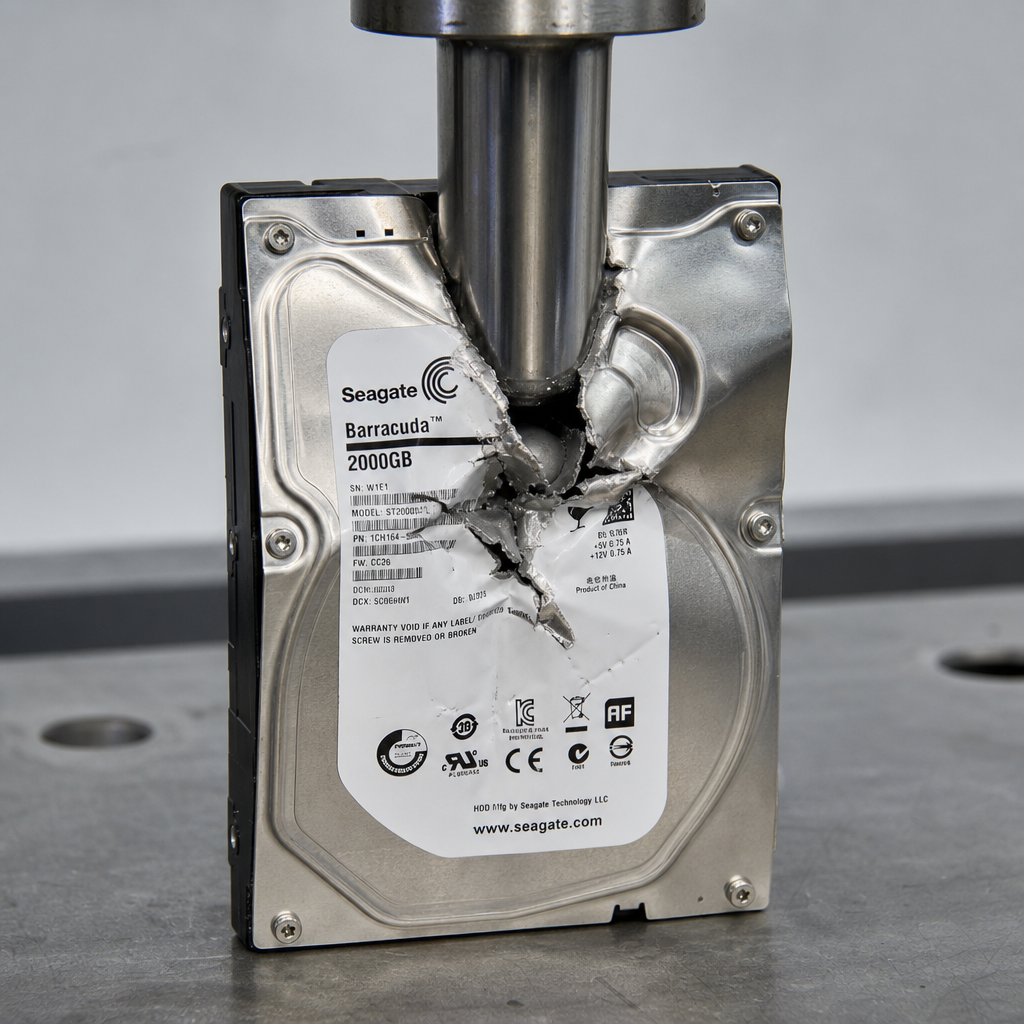
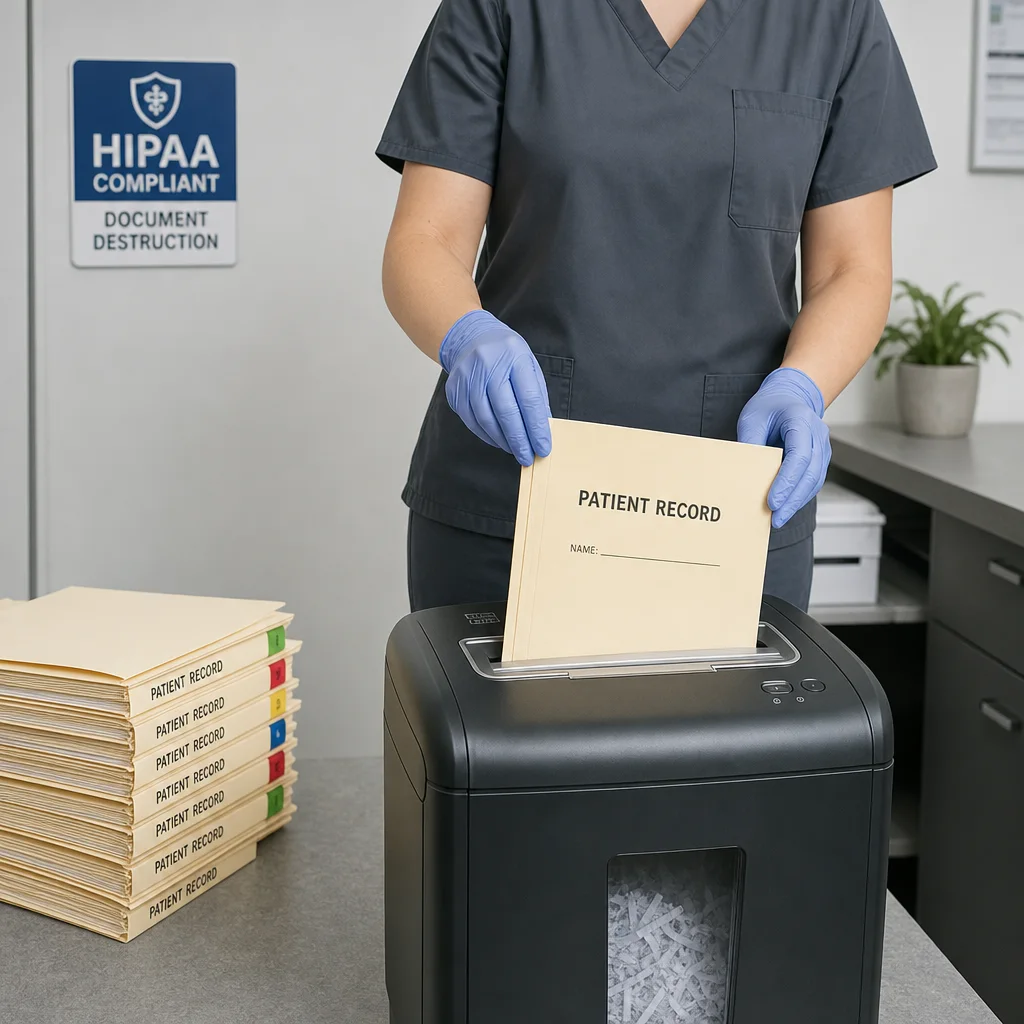
HIPAA requires covered entities to properly destroy protected health information. Learn the rules for paper records, hard drives, and the importance of certificates of destruction.

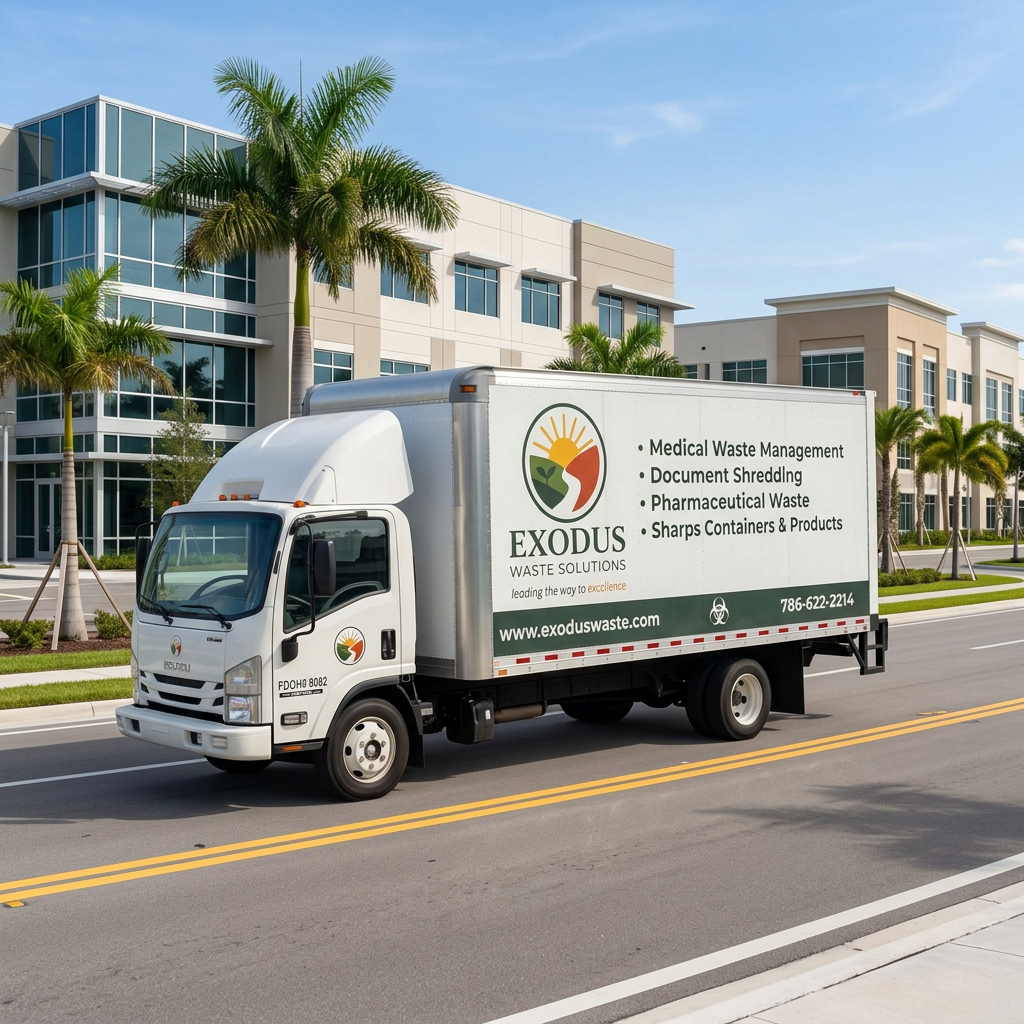
Document shredding gives South Florida organizations a controlled way to retire confidential paper instead of leaving it in ordinary office waste. Exodus Waste Solutions works with businesses that need recurring pickups, witnessed destruction at their site, or a one-time cleanout. Choose an approach around your volume, facility access and documentation needs. Before scheduling, confirm service coverage for your location, accepted materials and the records or certificates available for your facility.
(786) 622-2214No-Obligation
|A practical document shredding program begins with how records accumulate and who needs oversight. Document shredding for offices can include recurring collection, an on-site project or a one-time purge, depending on volume and preference. Organizations that want to observe destruction can ask about an on-site option.
Different teams generate different paper: personnel files, financial paperwork, client records and operational documents may need distinct handling or approval before disposal. Identify the responsible contact, where materials are stored, and whether departments need separate collection points. South Florida shredding services should be evaluated against your actual facility needs, not a generic checklist.
Businesses handling protected health information should discuss their own requirements, vendor arrangements and records process with qualified compliance counsel. Ask whether HIPAA-related shredding services include the agreement and documentation your organization needs; do not assume a service label establishes legal compliance.
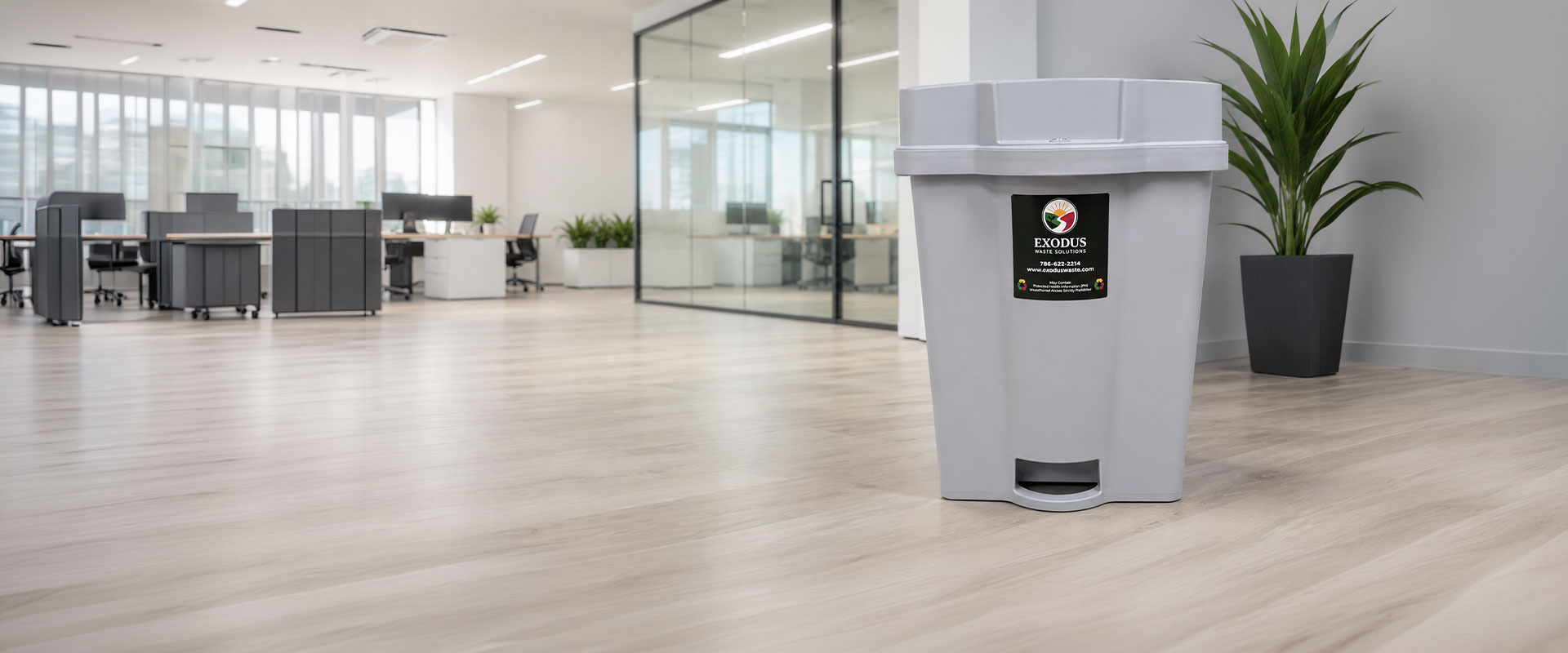
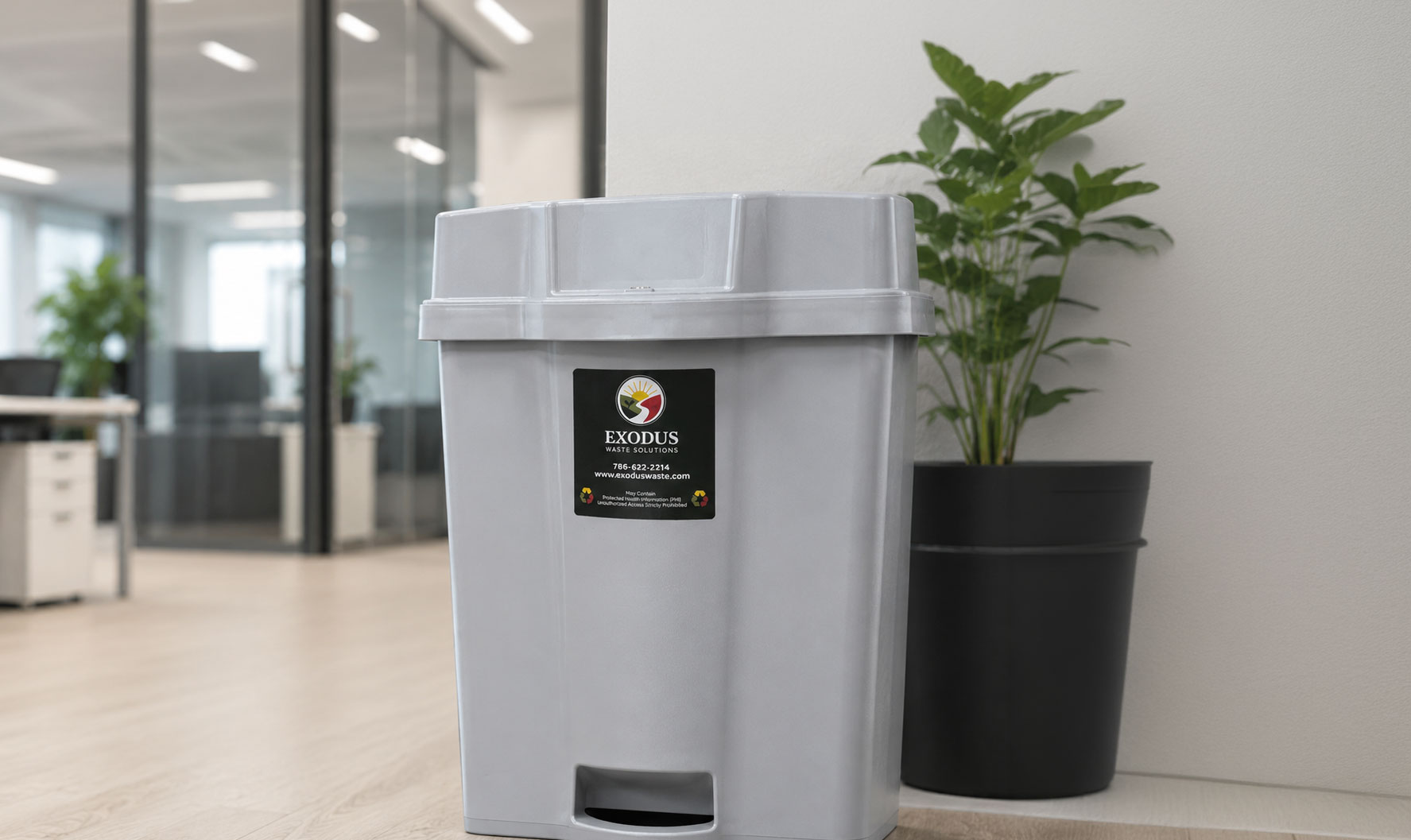
Reduce unnecessary access by setting a clear collection point and limiting handling to designated staff. For ongoing programs, decide where containers belong and who monitors capacity. For a project pickup, keep materials organized and coordinate the handoff with the facility contact. Ask what chain-of-custody records or destruction documentation are available for your specific service.
Service availability and accepted materials can depend on the facility and the requested work. Share your address, estimated volume, access requirements and preferred service type when requesting details. Confirm your site is covered rather than assuming a location or pickup schedule is available.
Provide your business location, approximate quantity, material types, whether destruction needs to be witnessed, and whether the need is recurring or one-time. Ask about available documentation and confirm that the proposed service covers your facility before making arrangements.
Choose a document shredding approach that reflects your paper volume, facility access and internal records process. Discuss accepted materials, collection arrangements and available documentation with the service team before scheduling.
Review the available service types, then confirm project details, material acceptance and pricing.
Discuss your needs, verify service details and ask what records may be available.
Share your business location, estimated volume, material types, preferred approach and access requirements.
Discuss recurring collection, on-site service or a one-time project based on your workflow and preferences.
Before scheduling, verify that your facility is covered, materials are accepted and the handoff process is understood.
Confirm what service or destruction documentation may be available for your particular arrangement.
Teams with confidential records can discuss requirements for their own facility and workflow.
Browse local information pages and contact the team to confirm current coverage for your specific business address.
Coverage can vary by address and service type. Confirm availability, accepted materials and scheduling before making arrangements.
A service page or certificate alone cannot guarantee legal compliance. Healthcare organizations should review retention, vendor arrangements and documentation with their own compliance contact.
Share your exact business address, estimated volume, material types and access needs. Confirm location coverage and accepted materials before scheduling.
Ask what documentation is available for your specific service and what details it includes. Keep those records with your organization’s own disposal and retention files.
Timing depends on location and project requirements. Share your preferred date range and confirm availability directly before making arrangements.
Organizations that manage confidential paper—including healthcare, legal, financial, education and administrative teams—can discuss a process around their own records and approval requirements.
Ask the service team which method or standard applies to your specific materials and project. Have your compliance or records contact review whether the proposed service meets your organization’s requirements.
Share your location, estimated volume, material types and preferred service approach to discuss next steps and request a quote.
Resources
HIPAA requires covered entities to properly destroy protected health information. Learn the rules for paper records, hard drives, and the importance of certificates of destruction.
NAID AAA certification is the gold standard for document destruction. Here's what it means, what auditors verify, and why choosing a certified provider protects your business under HIPAA, FACTA, and GLBA.
On-site and off-site shredding both destroy documents securely — but they differ in chain-of-custody, witness verification, and cost. This guide helps you choose the right model for your compliance requirements.