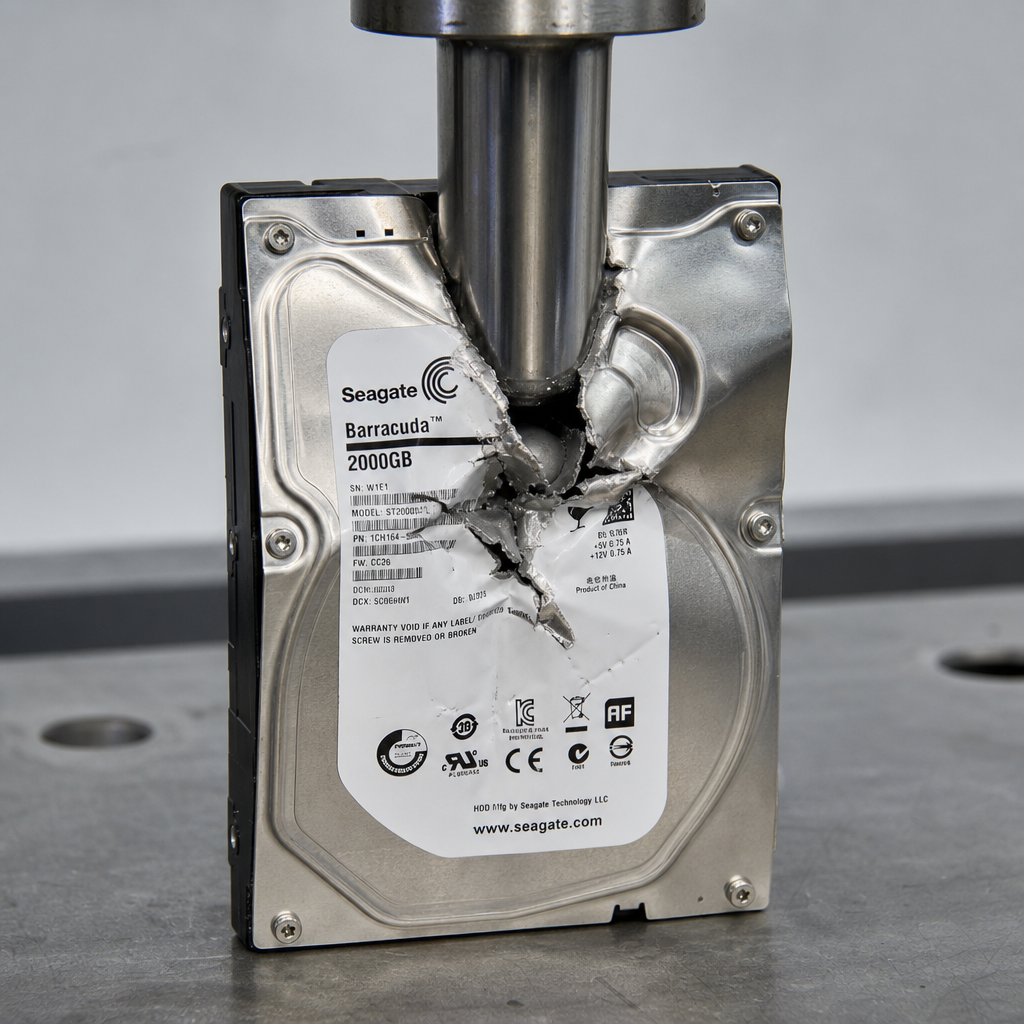
HIPAA Data Destruction Services for Organizations
HIPAA data destruction services may be relevant when a healthcare organization retires devices that could contain electronic protected health information. Exodus Waste Solutions discusses physical destruction for business customers handling hard drives and other data-bearing media. Device type, asset tracking and documentation needs vary, so describe your inventory before arranging service. Confirm what is accepted, whether your facility is covered and which service records are available; consult your compliance team on the requirements that apply.
Assess the devices and data involved
An end-of-life inventory can include hard disk drives, solid-state drives, removable media or equipment with embedded storage. Identify device types, approximate quantities and any serial-number or asset-tag requirements. Avoid assuming that a process for paper records also applies to electronic devices; request a separate assessment for each media format.
Coordinate chain of custody and asset records
For business equipment, agree on how devices are identified and transferred, who authorizes release, and what information should appear on service documentation. Maintain your own inventory and reconcile it against any records returned by the provider. Ask about collection logistics, site access and whether an on-site or off-site arrangement is available for the project.
Should we witness destruction?
If your internal policy calls for witnessing, ask whether an on-site option is available for your location and device volume. If devices are processed elsewhere, ask how collection and service records document the handoff and destruction.
Review privacy and service requirements
A search for HIPAA data destruction services may reflect different needs, from a healthcare vendor assessment to general device retirement. The appropriate service depends on the equipment, data and organizational obligations. Have your privacy officer or counsel assess applicable requirements and agreements; a service page or certificate alone cannot guarantee compliance.
Confirm facility coverage and media acceptance
Before transferring devices, provide the service address, inventory, access needs and requested documentation. Verify that the provider can serve your specific location and accepts each device format. Ask whether batteries, embedded components or unusual equipment require separate handling; do not infer acceptance or instructions without confirmation.
How do we request an estimate?
Share device quantities and types, your preferred approach, asset-record expectations and location. The service team can clarify availability, accepted materials and documentation options so your organization can evaluate the proposal.
What's Included
- Describe hard drives and other data-bearing media in your inventory
- Identify device type, quantity and asset-tracking needs
- Discuss collection logistics and on-site or off-site possibilities
- Confirm accepted media, location coverage and records in advance
- Review applicable privacy and service requirements with your team
No-Obligation
Request a Quote
Share your project details to request a quote.
Frequently Asked Questions
An inventory may include hard disk drives, solid-state drives, removable media or equipment with embedded storage. Identify formats and quantities, then ask the service team to confirm which items it can accept.
If your internal policy calls for witnessing, ask whether an on-site option is available for your location and device volume. For off-site service, discuss how the handoff and processing are documented.
Ask what service records are available and whether they can include asset identifiers or project details. Maintain your own inventory and confirm that any documentation meets your organization’s needs.
No service page or certificate alone guarantees compliance. Have your privacy or compliance team review applicable requirements, agreements and service documentation for your organization.
Share device quantities and types, your preferred approach, asset-record expectations and location. Confirm coverage, accepted media and documentation options before arranging service.
Related Document Shredding Resources
Ready to Get Started?
Evaluate HIPAA data destruction services with your IT and compliance teams before devices are released. Contact Exodus Waste Solutions to discuss your inventory, confirm location coverage and accepted media, and request a quote for your organization's needs.